



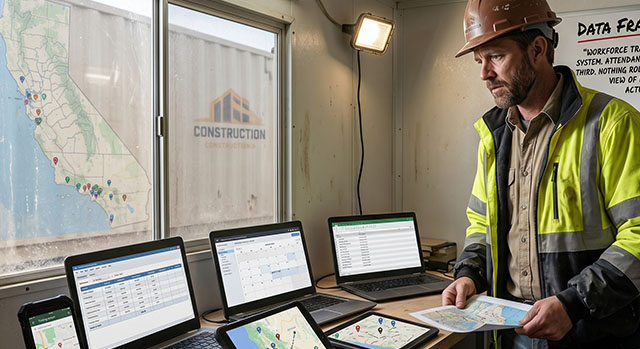

Workforce Intelligence

The operational foundation AI actually needs.

Most companies try to use AI before they have the data to make it work. We install the workforce tracking and automated reporting that gives leadership real visibility, so AI can actually improve how your business operates.

Schedule a conversation No sales pressure. Just a conversation about whether this is the right fit.

Managers are the reporting engine

Your team leads spend 5 to 10 hours a week assembling performance data by hand. That’s not management. It’s a part-time analyst role bolted onto every manager’s job description.

Decisions wait on data

Leadership wants to know what’s happening this week, not last quarter. But the reports take days to compile, so the picture you act on is always a beat behind the business.

Workforce tracking is fragmented

Time in one system. Attendance in another. Task completion in a third. Nothing rolls up. No one has a single, reliable view of how the workforce is actually performing.

AI tools sit on the shelf

You bought the AI platform. Six months later, no one’s using it. The truth is, it had nothing to work with. Clean, structured workforce data was never there to begin with.

How it works

Track. Report. Optimize.

We build the workforce intelligence foundation in three sequenced steps, in the order that actually makes AI useful instead of decorative.

TRACK. We install structured workforce tracking (time, attendance, productivity, and task completion) so you have real operational data instead of guesswork.
SEO Icon
Output
A single, consistent source of truth for how your workforce is performing, across departments and roles.
REPORT. With reliable data flowing, we layer in AI-driven analysis that identifies inefficiencies, predicts workforce needs, and recommends specific operational improvements.
Lead capture icon
Output
Leadership decisions backed by data that's current as of this week, not last quarter.
OPTIMZE. With reliable data flowing, we layer in AI-driven analysis that identifies inefficiencies, predicts workforce needs, and recommends specific operational improvements.
Output
AI that finally does what it was sold to do, because it has something real to work with.
What you receive

Reporting packages built around the decisions you actually need to make.

Three engagement tiers, sized to the company and the kind of visibility you're after. The output is always the same shape: reports that tell you what's happening, why it matters, and what to do next.

Visibility

Weekly workforce visibility

The foundation. Structured tracking installed, weekly management reports delivered, exception flags surfaced. Right-sized for companies just establishing operational reporting discipline.

  • Workforce tracking install
  • Weekly management report
  • Exception & anomaly flags
Intelligence

AI-layered workforce intelligence

Everything in Clarity plus AI-driven anomaly detection, predictive workforce modeling, and recommendations layered onto your reports. The full Track → Report → Optimize stack.

  • AI anomaly detection
  • Predictive workforce models
  • Operational recommendations
Want to see what a weekly report looks like?

A short call shows you the format before we talk about your numbers.

Thirty minutes. We'll walk through an anonymized weekly report from a current engagement, then talk about whether the same shape would be useful for your team.

Schedule a conversation
What changes

Monday morning, your management meeting starts with answers, not assembly.

The weekly report is already in your inbox. Productivity by team. Attendance trends. Tasks completed versus committed. Anomalies flagged for review. Nobody spent the weekend pulling it together. The system did.

Your COO walks in with the report open. Your CFO has the same numbers tied back to payroll. The conversation isn't "what's the data telling us?" It's "what are we doing about it?"

  • 5–10 hours per manager, every week Recovered and pointed at coaching, hiring, and customer work instead of spreadsheets.
  • Quarterly planning runs on actuals Not anecdote, not last year's gut read.
  • Issues surface in week one Not in the quarter-end review when it's already cost you.
  • AI has something to work with So the platform you already paid for actually delivers.
Next step

If this feels like the right fit, here's how to start a conversation.

We take on a small number of new engagements each quarter. The first step is a short call to walk through what workforce intelligence would actually look like for your company, and just as importantly, whether it makes sense for you right now.

Schedule a conversation We respond within one business day.
Not sure yet? Read "5 Signs Your Company Is Ready for Workforce Intelligence" first.